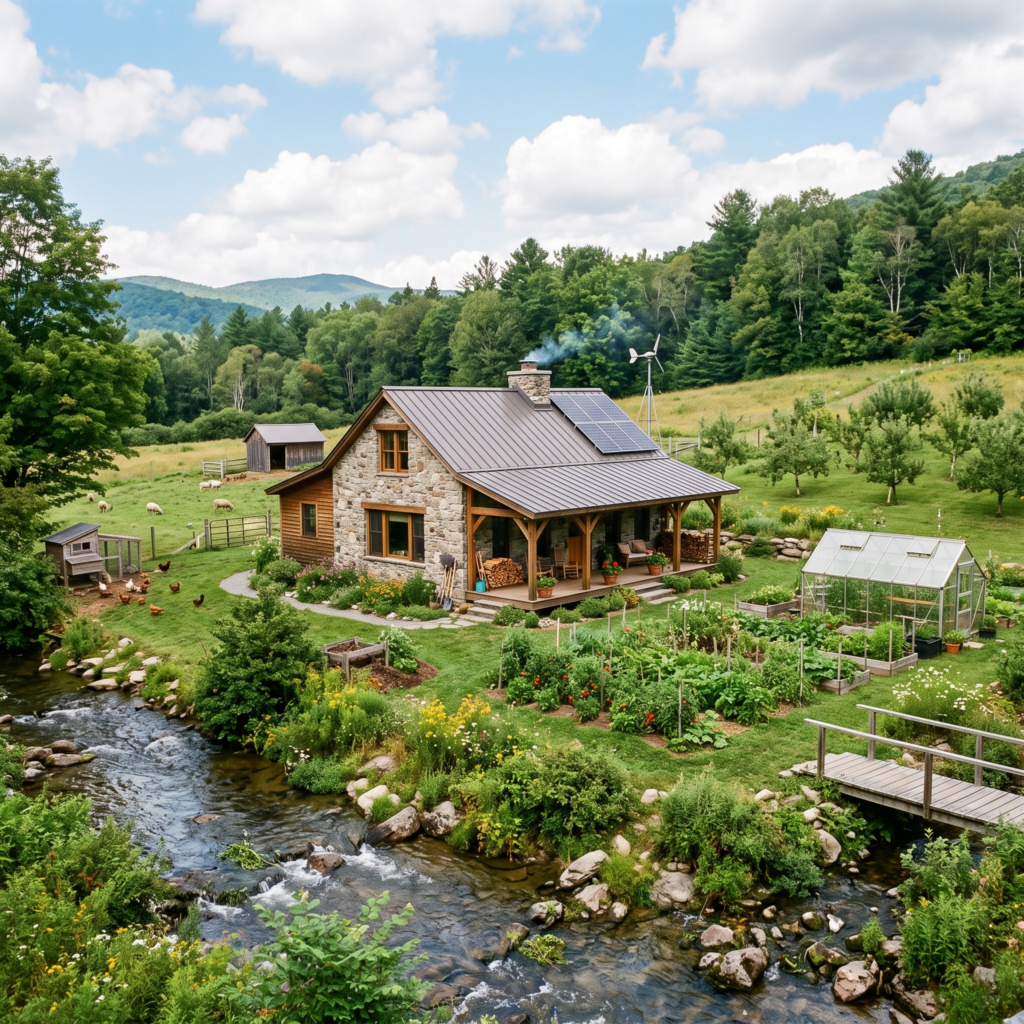
 Self-sufficiency is about handling more of your own needs without relying on outside help. For beginners, think of it as taking steps to live sustainably and independently by doing things like growing your own food or making your own products.
There are tons of benefits to living this way. Not only can you save money, but it’s also great for your health and helps reduce your environmental footprint. Feeling more independent just makes you feel good too, knowing you’re not totally dependent on outside systems.
100+ DIY Projects For a Self-Sufficient Backyard
Before diving in, it’s smart to take stock of how self-sufficient you already are. Maybe you already cook your meals or plant some veggies in your backyard. Figure out where you stand, so you can set clear, manageable goals to get even better.
Newbies should focus on realistic targets. It might be unrealistic to aim for full independence right out the gate, but small steps like starting a tiny herb garden or learning to fix simple things at home are perfect ways to start.
Starting Small: Easy Self-Sufficiency Practices
You don’t need a massive farm to start growing your own food. Even a small garden can yield a surprising amount of fresh produce. Some good options are lettuce, tomatoes, and cucumbers—easy wins for first-time gardeners. If yard space is limited, try out container gardening or herbs on windowsills.
Cooking from scratch saves money and lets you know exactly what’s on your plate. Beginners can start with simple recipes like soups or casseroles that don’t require tons of ingredients or fancy techniques. Meal planning goes a long way in helping you make the most of what you have.
Waste is a big enemy when striving for self-sufficiency. Start with basics like recycling paper, plastic, and metal. Composting is another awesome way to handle food scraps and yard waste. Over time, reducing waste becomes a habit that’s hard to break.
Making your own household products isn’t as daunting as it sounds. Imagine whipping up natural cleaning supplies with just vinegar, baking soda, and a few other household items. Personal care items like lip balm or lotion bars can also be easily crafted at home.
Building Skills for Self-Reliance
Gathering a toolkit and learning basic home repair skills can save a ton on maintenance costs. Whether it’s fixing a leaky faucet or patching up a wall, knowing how to handle minor repairs boosts your confidence and independence.
>>>Build Your Own Wood Shed<<<
Money management is huge in self-sufficiency. Setting up a budget, understanding where your money goes, and practicing the art of saving make a big difference. Reducing reliance on credit can lead to real freedom.
Upcycling and repurposing let you find new uses for old stuff, turning trash into treasure. This definitely sparks creativity and resourcefulness. Think about transforming an old ladder into a cool bookshelf or old jars into storage containers.
>>>Setup Your Own Woodshop<<<
Bartering is an often overlooked skill but very valuable. Trading your skills or goods with others in your community can help stretch resources further. Maybe you’re great at baking and can swap bread for veggies from someone who gardens.
Overcoming Challenges and Growing Your Self-Sufficient Lifestyle
Challenges are part of the journey, and prepping for them is key to success. Bad weather can ruin crops, pests might invade your garden, or maybe you run into a supply shortage. Having a plan to handle setbacks builds resilience in your quest for self-sufficiency.
Networking with others on the same path can be a game-changer. Join local community groups or online forums where ideas and tips are shared. You’ll be amazed by the support and inspiration that comes from connecting with like-minded friends.
Tracking your progress is crucial to improving. Celebrate the wins and learn from any hiccups. This practice keeps you motivated and focused on continuous growth.
Once you’ve got a good handle on the basics, it could be time to step it up. Start exploring more advanced ways to enhance your independence, like solar energy or even beekeeping for fresh honey. With each step forward, you’ll find your life getting better and better.