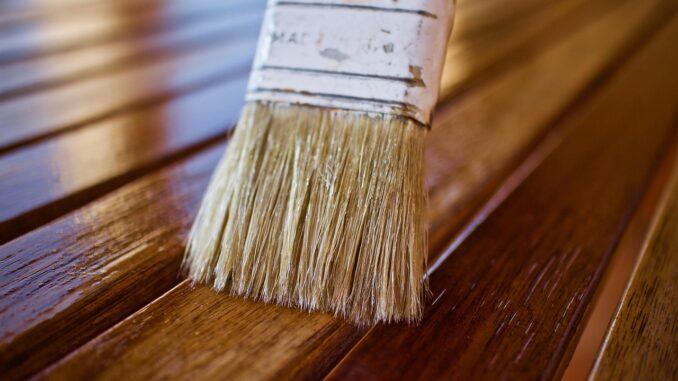
Wood finishing is like the icing on a cake, bringing out the best in a woodworking project. It’s what gives that final polish and durability, making it a crucial part of the process. This step isn’t just about making the wood look good; it’s fundamentally about protecting it too.
When it comes to finishes, there’s quite a menu. The classics include oil, polyurethane, and shellac, each with its own vibe and protective qualities. Oils soak in and highlight the natural beauty, while polyurethane offers a tougher shield against scratches and spills. Shellac, on the other hand, is known for its versatile and glossy finish, popular in both vintage and modern styles.
Finishing makes wood both durable and stylish. Think of it as giving your project a suit of armor that also happens to be incredibly chic. It protects against moisture, heat, and wear, ensuring that your creation lasts longer and looks fabulous, no matter what life throws at it.
Novices often think wood finishing is tough or even unnecessary, which couldn’t be further from the truth. Some believe simply applying a coat of finish is enough, but it’s all in the details. Complications also arise when one skips preparation steps like sanding, leading to uneven finishes. Getting through these common hurdles requires patience and understanding of the right techniques.
Preparing Your Wood Surface: The Foundation of a Perfect Finish
Surface preparation is where the magic starts in wood finishing. A well-prepared surface can mean the difference between a smooth, streak-free finish and a lackluster, blotchy mess. In woodworking, prep is everything and it sets the stage for the entire process of finishing.
Sanding is a crucial step that can’t be skipped. It’s the secret to removing those little imperfections and creating a smooth surface that will absorb the finish evenly. Picking the right grit sandpaper is key here. Finer grits like 220 or higher are your best friends when aiming for slick surfaces, while lower grits handle the more robust task of leveling and smoothing out rough patches.
Cleaning up before finishing is just as important as sanding itself. Dust particles left on the surface can turn a perfect finish into a disaster. A simple wipe down with a tack cloth or a good vacuum with a soft brush attachment helps ensure you’ve got a spotless surface to work on.
Don’t forget, different woods can require different prep techniques. Softer woods might need a gentler touch, while harder woods can handle a bit more aggression. Investing time in preparation pays off by giving your finish a smooth and professional look.
Selecting the Right Finishing Technique for Your Project
Choosing the right finishing technique is a game-changer in woodworking. Different methods can drastically alter a piece’s final appearance and functionality, making it crucial to pick one that aligns with your project’s needs and your personal style.
Each technique has its vibe. Staining, for instance, adds color while letting the wood grain shine through, perfect for those wanting a natural look with a pop of color. On the other hand, varnishing provides a hard, glossy finish that stands up to wear and tear, often used for furniture pieces that see a lot of action. Waxing gives a soft, matte finish, ideal for a relaxed, rustic feel.
When deciding on a finish, think about the piece’s intended use, the type of wood, and the desired aesthetic. Some finishes offer more protection against elements like moisture and heat, which is crucial for surfaces like kitchen tables or outdoor furniture.
Sealers and primers often play key roles in prepping the wood for finishing. These materials help the finish adhere better and can bring out a more vibrant color. Whether you’re sealing before staining or priming for paint, these steps can make a big difference in your project’s outcome.
Applying these techniques takes practice and patience. Follow the instructions closely on your chosen finish, applying in thin, even coats. Allow adequate drying time between applications to avoid drips and bubbles. This attention to detail will reward you with a finish that’s both beautiful and resilient.
Maintaining Your Finished Wood: Longevity and Care Tips
A freshly finished piece of wood needs a good care routine to keep it looking fresh and vibrant. The great news is that a little maintenance goes a long way in extending the life of your handiwork.
Keeping the finish clean is the first step. Regular dusting with a soft, dry cloth helps ward off the buildup of grime and fingerprints. For more thorough cleaning, use a mild soap and water solution, making sure not to soak the wood as moisture can be a finish’s worst enemy.
Minor scratches and scuffs happen to everyone, but they’re not the end of the world. Depending on your finish, a touch-up pen or a dab of matching finish can often do the trick. For deeper blemishes, light sanding followed by a spot reapplication of finish might be required.
Maintaining humidity levels is crucial, especially if you’re dealing with real wood. Too much moisture can cause swelling, while too dry an environment can lead to cracks. Using a humidifier or dehumidifier helps keep things balanced, ensuring your finished piece stays stable.
Don’t forget seasonal checks. Wood tends to expand and contract with temperature changes, so inspecting your pieces when the seasons change can help catch potential problems early. This proactive approach ensures that your wood finish stays strong and beautiful for years to come.
Leave a Reply