Composting is like giving back to the earth, turning your kitchen scraps into beneficial nutrients for your garden. It’s a sweet deal for both your backyard and the planet. Composting reduces landfill waste and creates healthy soil, which is just a fancy way of saying it feeds your plants what they love.

At its core, composting is a simple breakdown process. You throw a mix of organic materials together and let nature do its thing. Bacteria and fungi break down these materials, like leaves and veggie peels, turning them into that rich, crumbly compost heap people rave about.
For this natural magic to happen, you need a good balance between ‘greens’ and ‘browns.’ Greens are stuff like veggie scraps and coffee grounds, which are rich in nitrogen. Browns are usually dry materials like leaves or straw, full of carbon. Get the balance right, and you’ll soon have a thriving heap.
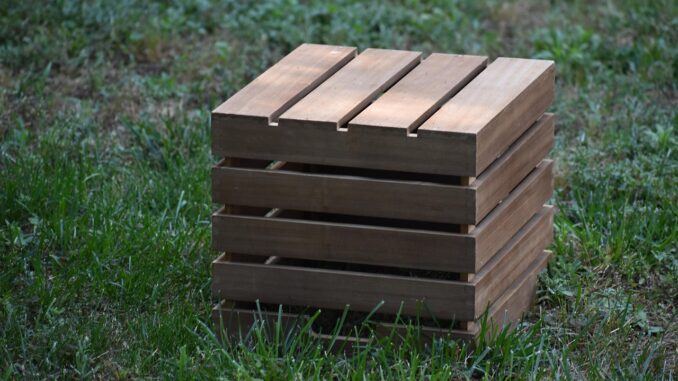
There are several ways to compost, from tossing scraps in a pile to using fancy tumblers. But using a wooden compost bin is often the best bet. They’re great at keeping your pile contained, look neat in the yard, and they naturally blend in with their environment. Plus, wood is a sturdy material and an all-natural choice.
Choosing the Right Wood and Materials for Your Bin
Picking the right wood is like setting the foundation of a house. It’s all about durability and sustainability. The best types of wood for compost bins are naturally rot-resistant, like cedar or redwood. These woods can handle the moist environment of composting and look pretty cool too.
Before you start sawing away, gather all your materials and tools. Think of your essentials toolkit—screwdriver, saw, hammer, nails. Jot down everything you need to avoid those frustrating mid-project trips to the hardware store.
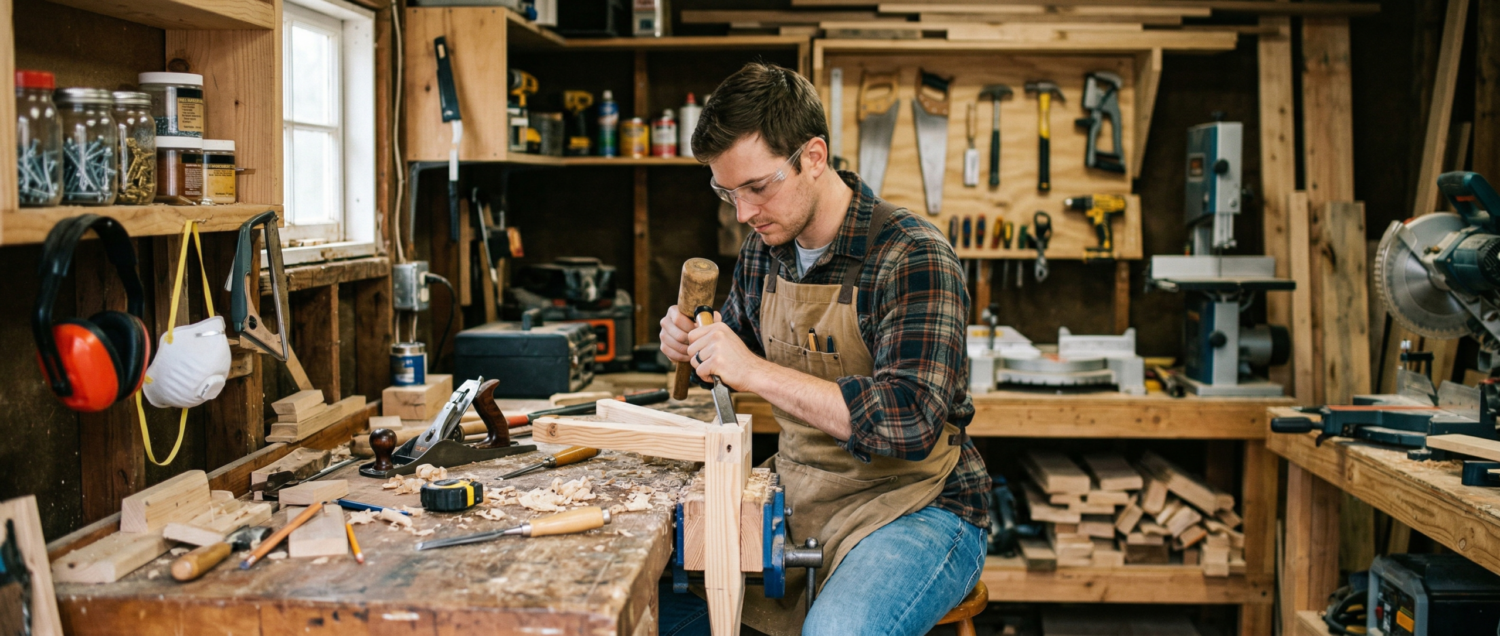
Safety is key when dealing with woodworking. Even if you’ve got experience, wearing safety goggles and gloves is a smart move. Those tools can quickly turn a fun project into a memorable mishap if you’re not careful.
Stay away from chemically treated woods like pressure-treated lumber. While they may last for years, they often contain substances that can leach into your compost, and nobody wants that in their garden. Also, steer clear of softwoods like pine, as they’ll rot and break down far too quickly for this job.
Step-by-Step Guide to Building Your Wooden Compost Bin
Setting up your workspace right is the first move. Lay out all your tools and materials strategically. Imagine how master chefs set up their stations. This helps you stay organized and makes the whole process smoother.
Start by measuring and cutting your wood to size. Typically, you’re looking at a bin around 3×3 feet. This size is efficient for managing your compost pile while still being easy to handle. Precision matters here, so double-check those measurements before cutting to avoid wasted materials.
Once cut, it’s time to assemble. Begin by constructing the sides, then attach them to form a square or rectangle. Use screws instead of nails for a stronger hold, especially where the wood might be subject to moisture. Reinforce corners with brackets to keep the structure solid over time.
Get creative with your design. Add ventilation slats to enhance airflow and speed up decomposition. Top off your bin with a hinged lid to keep out unwanted critters. If cosmetics are your thing, consider staining or painting the exterior with a non-toxic sealer to fit with your garden’s look.
Effective Use and Maintenance of Your Wooden Compost Bin
Once your wooden bin is set up, it’s time to get into the groove of composting. Start by layering your greens and browns in the bin. A good rule of thumb is two parts brown to one part green. This balance helps your pile heat up just right for decomposition.
Keeping your compost pile moist is key. Think of it as a wrung-out sponge—damp but not dripping. If it’s too wet, add more browns like shredded newspaper. If too dry, sprinkle it with a bit of water.
Temperature is another factor to monitor. Compost should feel warm, like a cozy sauna. If it’s not heating up, it may need more green materials. Turn it every couple of weeks with a garden fork to aerate and speed up the process.
Routine maintenance is simple. Check for any loose boards or nails and re-secure them as needed. A well-kept bin can serve you for years, turning waste into garden gold.
If things don’t smell right, or your compost isn’t breaking down, don’t stress. Common issues usually boil down to imbalance in materials or moisture. Adjust what you’re adding and how often you turn it, and you’ll soon get that compost back on track.
Leave a Reply