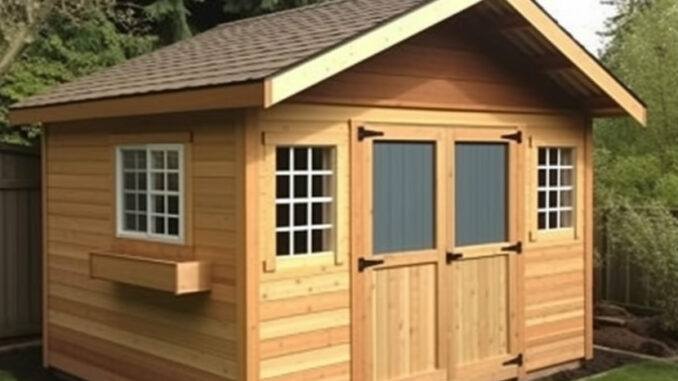
Building a wood shed from scratch might sound like a big project, but knowing exactly why you need that shed turns it from a daunting task into an exciting endeavor. Whether it’s for storing garden tools, firewood, or maybe a DIY space, getting clear on your main goals will dictate the size and features needed.

Picking the right spot is crucial. You don’t want to trek miles from the garden to grab a trowel. Find a spot that’s convenient yet safe, avoiding areas prone to water pooling or excessively shaded spots that could lead to moisture troubles.
With your location set, it’s time to gather the tools and materials. Think hammer, nails, saws, and some good quality timber. It’s always a bummer to get halfway through a job only to find you’re missing something. Plan ahead for fewer store runs and more building time.
Besides tools, getting a handle on local regulations is a must. Some areas have rules about shed size or location. A quick chat with local authorities can save you headaches later.
Finally, having a solid blueprint acts as your guide. There’s nothing like a well-laid plan to keep you on track. It helps in visualizing the end product and ensures you’re not scrambling with last-minute adjustments.
Crafting a Strong and Durable Frame
Let’s talk wood choices. Using the right type matters a lot in terms of how long your shed will stand strong. Cedar, for instance, is both durable and naturally resistant to rot. Not to mention, it looks great.
Next up is measuring and cutting. Accuracy here is key. Misjudging lengths or angles can throw the whole structure off balance, so keep a tape measure and carpenter’s square handy.
When it comes to joining everything together, you’ve got decisions. Screws offer strength, nails go in quick, and adhesives can provide that extra hold. Sometimes a combo works best, especially in high-stress spots.
Safety? Huge deal. From goggles protecting your eyes to boots shielding your toes, the right gear helps keep accidents away. Plus, having a clear workspace reduces the chances for mishaps.
The base of your shed sets the stage for everything else. It has to be solid and level. Concrete piers or pressure-treated skids can offer stability that lasts, holding everything secure while keeping the elements out.
Protecting Your Shed: Roof and Walls Construction
Walls are your first defense against the elements. Consider using weather-resistant sidings that stand up to rain, wind, and sun. Vinyl is low maintenance, while wood offers a classic look if prepped and protected right.
Insulation is key if you’re planning to use the shed year-round. It helps in keeping tools safe from extreme temperature changes and adds a comfort layer if you plan to work inside.
The roof isn’t just a cap for the space; it protects everything underneath. Consider options like asphalt shingles for durability or metal roofs for longevity. While you’re at it, ensure that water runoff doesn’t create puddling around the base by installing gutters or adequate drainage.
Windows and vents do more than shed light; they help control the temperature and prevent condensation. Pick openings that can be secured when not needed, as they can also be entryways for unwanted guests.
The focus on safety continues here, with reinforcing structural stability to handle adverse weather. Bracing the walls with additional frames can also keep your shed standing through many seasons.
Finishing Touches: Making Your Shed Work for You
Organization inside your shed can make the difference between clutter and calm. Think about shelves up top for seldom-used items, pegboards for tools, and maybe some bins for smaller bits.
The exterior isn’t just about looks. A good paint job or stain protects against the weather while bringing a bit of style to your shed. Stick with colors that mash well with your backyard vibe or go bold if you’re feeling adventurous.
Keeping your shed secure is all about choosing the right locks or even adding a basic alarm system—not over-the-top, but enough to deter any curious critters or opportunistic thieves.
Eco upgrades like installing a small solar panel could power interior lights or a battery charger, giving your shed a modern twist in an earth-friendly way. Collecting rainwater can also be a nifty addition, especially for garden lovers.
Want to give your shed some personality? Bring in some fun decor, maybe a welcome mat, or even some outdoor lighting. Just a few touches can turn a simple shed into a personalized backyard feature.
Leave a Reply