Joinery is where woodworking gets both scientific and artistic. It’s the backbone of creating strong, reliable furniture and projects. This craft is all about connecting pieces of wood without nails or screws—just classic craftsmanship.
Classic joinery techniques like dovetail, mortise and tenon, and finger joints aren’t just fancy names; they each have a unique purpose and flair. Imagine a dovetail joint’s impressive stability or the timeless, sophisticated look of mortise and tenon. Each serves its own function while adding an aesthetic touch.

To conquer joinery, getting cozy with some essential tools is necessary. Think chisels, saws, and routers. Investing in quality tools might pinch the wallet a bit upfront, but it makes achieving accuracy much easier and cuts down on headaches from mistakes.
Accuracy in joinery can feel like chasing a mirage sometimes. A simple tip: always measure twice, cut once. Practice with scrap pieces before working on the real deal helps build confidence. And let’s not forget layout lines—they’re your roadmap to success in woodworking.
Including joinery techniques in your projects takes them to the next level in durability and class. It might seem like a lot to handle initially, but with practice, you’ll notice it getting more intuitive. And there’s nothing quite like the satisfaction of fitting pieces together perfectly without a single nail in sight.
Building Mid-Sized Furniture: Crafting for Function and Style
Taking on mid-sized furniture projects provides a fantastic balance between challenge and creativity. Aiming for pieces like small bookshelves or side tables gives you the room to express both function and flair.
Picking the right wood is the first consideration that sets the foundation for your piece. Hardwood like oak or maple offers durability while exuding that timeless charm, while softwood like pine can be more budget-friendly and accessible for practicing new techniques.
Just as important as the materials are the design elements. Start by sketching out your ideas. A simple drawing helps in visualizing the end product before even picking up a saw. Functionality doesn’t have to compromise style, so think about the space the piece will occupy and what it needs to achieve.
Constructing a bookshelf or side table really puts your woodworking skills to the test. Focus on sturdy joinery to ensure the piece can handle everyday use. This is where the joinery skills you’ve honed come full circle, ensuring a lasting build.
A pro tip for finishing is to consider the grain of the wood. Staining enhances this natural beauty while varnishing provides a protective layer that keeps the piece fresh for years. These techniques not only protect your hard work but also polish the final product into a standout feature of any room.
Advanced Accessories: Elevating Everyday Items
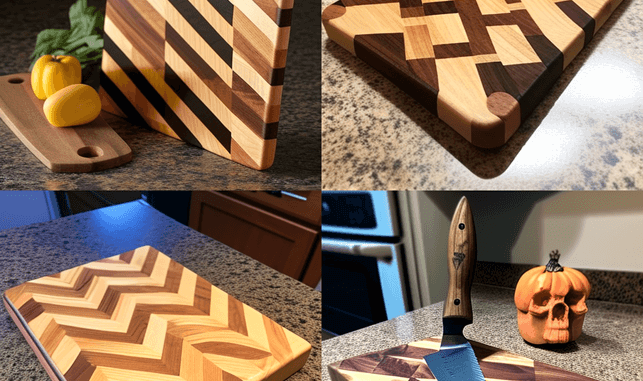
Creating unique cutting boards isn’t just practical but also allows room for some serious creativity. Experiment with different wood types and combine contrasting shades for eye-catching patterns that stand out in any kitchen.
Intricate picture frames are another great project to hone precision and patience. Dive into playing with angles and embellishments to create frames that double as art pieces.
Decorative bowls and trays don’t just have to be functional—they can be conversation starters. Working on these pieces encourages you to explore different textures and forms.
Thinking outside the box, incorporate other materials like metal or stone for hybrid accessories. This approach not only enhances the aesthetic value but also adds a contemporary touch to traditional woodworking.
When it comes to perfecting these smaller projects, never underestimate the power of good sanding and sealing. Smooth finishes and proper sealing are what transform a project from amateur to professional-grade.
Project Troubleshooting: Overcoming Common Challenges
Woodworking isn’t a straight line from start to finish; it’s a winding path of learning and adjusting. Mistakes happen—it’s part of the journey. Recognizing and correcting them is key.
Wood movement can throw a wrench in the smooth running of projects. Understanding how wood expands and contracts with humidity changes can prevent a lot of headaches. Design with this in mind to allow for movement.
Splitting and warping are common issues but not insurmountable. Prevent these by choosing the right wood grain and keeping checks on moisture content throughout your project.
Regular tool maintenance can’t be overstated. Sharp tools make clean cuts, reducing the chances of slips and improving overall precision. Keep those blades sharp and well cared for to ensure ease in your work.
Nurturing growth in your woodworking skills doesn’t need to be a solo venture. Join online forums or local woodworking clubs to share experiences and pick up new techniques. Everyone there speaks the same language—a passion for crafting with wood.
Leave a Reply