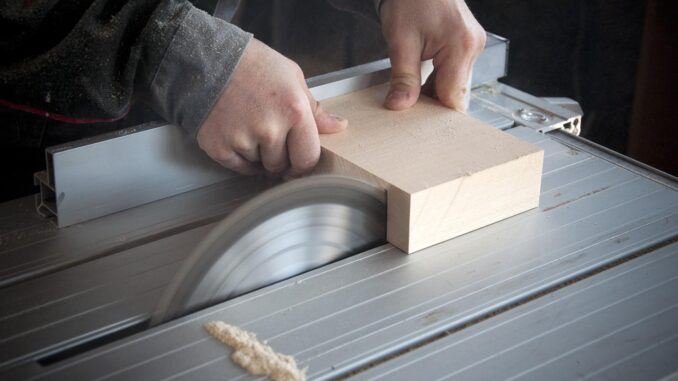
Woodworking carries a rich history that connects us to cultures across time and space. From ancient Egyptian furniture to Japanese joinery, the craft has always been an essential part of human life, offering that magical blend of utility and beauty.
There’s an incredible vibe that comes with creating something tangible with your own hands. When you craft a piece of furniture or even a tiny wooden figurine, you’re not just making objects. You’re pouring a part of yourself into the work, and that sense of personal fulfillment is hard to top.
Think of wood as your ultimate creative canvas. It’s fascinating to see how a plain block of wood can transform into a functional or artistic masterpiece. Your imagination is the only limit here, offering endless possibilities to design and craft to your heart’s content.
Woodworking isn’t just a hobby; it’s a chance to escape the hustle of daily life. Ever feel like tuning out the stress and picking up a chisel instead? Working with wood can be one of the best stress-relievers around, combining mental focus with hands-on physical activity. You tackle challenges, solve problems, and, in turn, nurture a calm and centered mind.
Mastering the Essentials: Getting Started with Woodworking
Jumping into woodworking might feel intimidating with all those fancy tools and lingo, but starting simple is your best bet. Grab the basics like a saw, a chisel, a hammer, and some sandpaper. These essential tools will have you crafting in no time without breaking the bank.
Setting up your workspace is a bit like prepping a canvas. Make sure you have plenty of space to move around and, of course, keep it safe. Having a dedicated area with good lighting will help you focus and work comfortably. Safety gear like goggles and gloves is non-negotiable.
Sourcing materials doesn’t have to be a headache. You can find wood at local lumberyards or even score some deals online. Don’t overlook the possibility of using reclaimed wood—it’s cost-effective and environmentally friendly.
Learning the ropes is easier now than ever. Whether it’s watching tutorials on YouTube, joining online communities, or taking up a course, resources are plentiful. Engage with other hobbyists online and share your projects; feedback from more experienced folks can provide invaluable tips and tricks.
Building Skills and Projects: The Joy of Progressive Learning in Woodworking
Tackling your first project can be daunting, but nothing beats the rush of measuring, cutting, and assembling your first piece. Starting small with projects like picture frames or simple shelves can boost your confidence and skillset.
Basic skills like measuring accurately, sawing straight lines, and understanding how to sand a surface smoothly are crucial. These fundamentals lay the groundwork for more advanced projects down the line.
Mistakes will happen, no doubt. But here’s the deal: every ‘oops’ moment is a learning opportunity. Understanding common pitfalls in joint construction or seeing where your design might need tweaking keeps you constantly improving.
Woodworking isn’t about rigidly sticking to the rules. Once you have the basics down, try experimenting. Mix design styles, explore different types of finishes, and let your creativity flow in unexpected directions. Crafting becomes an adventure as you explore your personal style.
The Broader Impact: How Woodworking Benefits Your Life and Community
Woodworking doesn’t just make things; it shapes you as a person. The patience and focus it requires can transfer into everyday life, turning challenges into opportunities for growth.
Being part of a local woodworking group or club can enrich your social life. It’s more than just sharing tips and tricks; it’s about building friendships with people who share your passion.
Embracing sustainable practices can be part of your journey. By using reclaimed wood, you’re not only cutting costs but also reducing waste, making your hobby environmentally friendly.
Creating for a cause is a truly rewarding experience. Many woodworkers contribute to their communities by crafting items for charity events, providing a way to give back and make a difference.
Leave a Reply