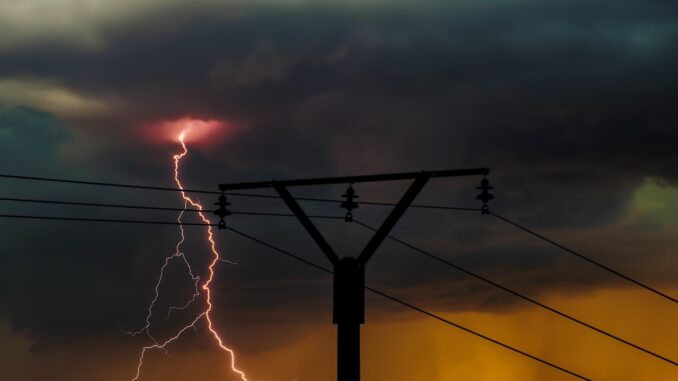
Being ready for a power outage starts long before the lights flicker out. A well-stocked power outage toolkit can make all the difference, not just in comfort but in safety too. The kit should include basics like flashlights and batteries, but think bigger. Items like a first-aid kit, a multi-tool, and an emergency radio can be lifesavers. Extra cash is also smart—ATMs and card readers might be down, making it tricky to pay for essentials.
>>>Read the Blackout Protocol<<<
Anybody who’s experienced a lengthy power outage knows the grim defeat of a dying smartphone battery. Having a backup power source, like a portable generator or even solar-powered phone chargers, can keep you connected. Those tiny backup battery packs that fit in a pocket are gold during an outage.
Family safety should be top of mind, so consider creating an emergency communication plan. It can be as simple as deciding on a meeting place or keeping a list of important contacts. It’s about making sure everyone knows how to touch base if you’re not together when the lights go out.
Stocking up on non-perishable food and water goes beyond just grabbing some canned beans and bottled water. Diverse options like dehydrated meals or boxed milk don’t require refrigeration, and energy bars or nuts have a long shelf life. A manual can opener is a must-have.
Electronics aren’t often considered until it’s too late. Invest in a quality surge protector to safeguard them. Backup important documents digitally and store devices safely when not in use during a storm or emergency to prevent damage from sudden outages.
Navigating a Power Outage: Immediate Steps to Take
Power’s out? First up, safety check. Look around for any potential hazards like downed power lines and the smell of gas. If something’s off, get your family out and dial emergency services pronto.
With safety sorted, it’s time for some light. Reach for flashlights or battery-powered lanterns instead of candles; they’re way safer and less likely to cause accidental fires. If you must use candles, remember to keep them on stable surfaces and away from anything flammable.
Backup generators might save the day, but remember they’ve got rules. Generators should be outdoors and away from windows to avoid carbon monoxide poisoning. Trust, the headache or dizziness from improper use is a serious health risk.
Maintaining comfort is crucial. Layer clothing to stay warm when heating isn’t an option, and use battery-operated fans or cool cloths to beat the heat. Keep folks comfortable, especially the young and elderly, as changing temperatures can affect them more.
Now, let’s talk about gadgets. Conserve phone battery by switching on low-power mode and only using essential apps. If you have a portable charger, use it sparingly to keep communication open. It’s all about making sure you can stay in touch or call for help if needed.
Staying Informed: Keeping Communication Lines Open
Keeping up-to-date during a power outage is key to knowing what’s happening and what to do next. A NOAA Weather Radio isn’t your everyday household item, but it should be when the power’s out. It keeps you informed about weather and restoration efforts, so you’re not in the dark—pun intended.
Social media can be a hero in these situations. With mobile data, platforms like Twitter can be a goldmine for real-time updates from power companies and local authorities. Makeshift info hubs, if you will. Just remember, verify the info before you act on it to avoid unnecessary panic.
Don’t underestimate the power of a good old neighborhood chat. Checking in with neighbors can not only make you feel less alone but also help share resources and information. Maybe someone has a vital update you missed or an extra resource they’re willing to share.
Local authorities are your fallback for emergency updates, shelter locations, and community resources. Knowing how to reach out or have key contacts saved on your phone can make a big difference in feeling in control during chaos.
Post-Outage Recovery: Ensuring a Safe Return to Normal
When the power’s back, resist the urge to rush back to normal. Start by inspecting your home for damage. Check around for any signs of electrical issues, like burnt outlets or flickering lights, and make notes before contacting your utility company or a professional.
Routine tasks look different after an outage. Head to your fridge and see what’s what—perishables might have to go if they’ve been sans-cooling for too long. A good rule? If it smells off or looks questionable, toss it.
Gear up your toolkit for the next round. Restock any consumed supplies and double-check batteries or fuel, so you’re not caught off guard next time. It helps ease that nagging anxiety about the future.
Resetting appliances properly matters. Unplug them initially, then plug back in to avoid a surge spike. It’s a simple step that protects your gadgets from power influx damages.
Take a breather and reflect on what worked during the outage and what needs tweaking. Jot this down and see your preparedness game grow. It’s all about staying a step ahead for future events—because, let’s face it, there’s always a next time.
Leave a Reply