Starting a woodworking business is like crafting a fine piece from raw lumber; it begins with understanding the details. To get a solid footing, you need to know what the overall landscape looks like. We’re talking target markets here—who’s buying, and what do they want? Understanding the audience is crucial so that your projects will not only resonate but sell.

It’s not all about knowing your market, though. Do you have the skills to carve your niche in this industry? Assessing your talents helps pinpoint areas for improvement. It also guides you in choosing the right niche within woodworking. Maybe cabinetry’s calling your name, or perhaps it’s the artistry of making custom furniture.
One thing’s for sure, your passion and creativity are just as important as your skills. These are the secret ingredients that add soul to your creations and differentiate you from the rest. Embrace the beauty in imperfections and let your unique style shine in every piece.
Researching and selecting the right niche is a journey in itself. Whether you’re into rustic furniture or modern decor, picking the right path can dictate your future success. Align this with your passion, and you’ve got a winning combo that’ll keep you motivated through the challenges.
Building a Business Plan: Strategy and Structure
Any successful venture needs a detailed game plan, and woodworking is no different. A well-thought-out business plan brings clarity and direction to your nascent enterprise. Start by defining clear objectives—know where you want your business to go and how you’ll get there.
Choosing the right legal structure is a pivotal early decision. Whether you go for sole proprietorship, LLC, or a full-on partnership, each has its pros and cons. It affects not just your taxes but also personal liability, so weigh your options carefully.
Crafting a budget doesn’t just happen. You’ll need a clear picture of what it’s gonna cost to kick things off and keep the lights on. Estimate your startup expenses and operating costs to make sure you’re not flying blind financially. Knowing these numbers helps in setting realistic goals.
Thinking about how to fund this whole venture can be a bit overwhelming. But don’t sweat it. From personal savings to potential grants or small business loans, multiple funding sources can align with your business’s needs. Exploring all avenues can boost your financial readiness and peace of mind.
Setting Up Shop: Tools, Equipment, and Location
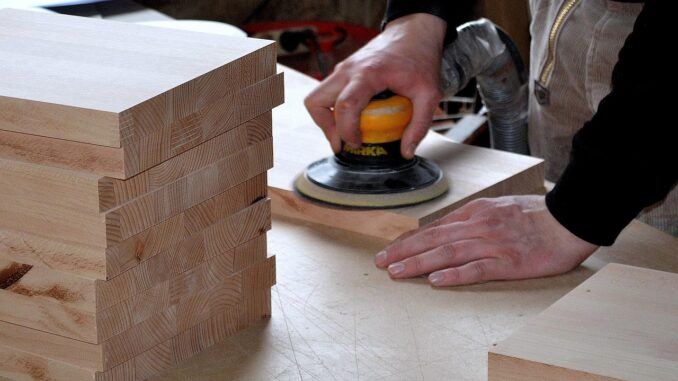
Getting the right tools and equipment is a non-negotiable step in setting up your woodworking business. You need the basics like saws, drills, and sanders, but also include specialized machinery based on your chosen niche. Investing wisely in quality tools sets the foundation for producing top-notch work.
Finding the ideal workshop space is more than just picking any available room. You need a place that balances practicality with inspiration. Whether you’re converting a garage or renting a studio, ensure you have enough space to work efficiently, store your materials, and showcase your creations.
Safety should never be an afterthought. Implementing safety best practices in your workshop is crucial, not just for compliance but for your own peace of mind. Regular safety drills, use of appropriate gear, and proper tool maintenance are part of the game. A safe workshop is a productive one.
Technology isn’t just for the big tech industries. Staying updated with the latest in woodworking tech can give you an edge. From advanced software for design to new tools that enhance precision, being tech-savvy can elevate your craft and streamline processes.
Marketing Your Craft: Attracting and Retaining Customers
Building a brand that reflects your craftsmanship and vision is vital in standing out. Your brand isn’t just a logo; it’s the story and values behind each piece. Crafting this identity helps attract the right customers who resonate with your style and standards.
In today’s world, digital marketing and social media are your best allies. Setting up a user-friendly website and maintaining active social media profiles can massively boost your visibility. Showing up online isn’t just about sales; it’s about building a community around your craft.
An impressive portfolio speaks volumes. Document every project meticulously, with high-quality photos and engaging descriptions. Share how your pieces are made, the inspiration behind them, and how they serve your clients. Customer testimonials are equally golden—they build trust and credibility.
Networking is another pillar for growth. Engage with fellow woodworking professionals and join communities. They can offer insights, referrals, and support. Attend workshops and woodworking shows to stay connected. Building these relationships can lead to collaborations and new opportunities.
Leave a Reply