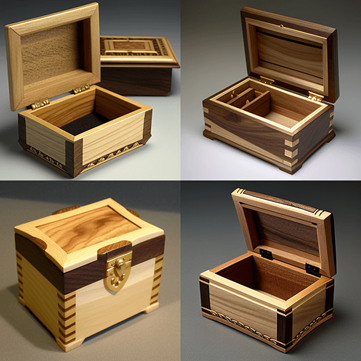
Woodworking joints are the backbone of any sturdy piece of furniture or wood structure, providing both strength and style. Whether you’re crafting a new table or assembling a bookshelf, the joint you choose plays a major role in its durability and appearance. By understanding the different types of joints, you can not only enhance the visual appeal of your projects but also ensure they stand the test of time.

The aesthetic and functional quality of wood structures largely hinges on the joints used. Think about it—how smoothly pieces come together or how seamlessly one plank pairs with another speaks volumes about the craftsmanship. A good joint isn’t just holding things together; it’s elevating the design, making the woodwork look and perform its best.
Traditional woodworking joints have been around for centuries and are a testament to time-tested techniques that have been refined and perfected across generations. Mortise and tenon or dovetail joints are classics, offering unmatched reliability and sophistication. Meanwhile, modern joints bring in innovation and ease, using tools and materials that save time while still offering great quality. Each type has its own place in a craftsman’s toolkit, depending on the project’s needs.
The Timeless Tenon: Exploring Mortise and Tenon Joints
Mortise and tenon joints take the crown when it comes to woodworking’s greatest hits. This joint has a rich history, with roots stretching way back to ancient Egypt. And trust me, their enduring popularity is no accident. They boast versatility and strength, which artisans have celebrated for ages.
Commonly found in heavy-duty projects like timber framing and classic furniture, these joints consist of a ‘tenon’—a protruding piece that fits snugly into a ‘mortise’—a hole carved into the adjoining element. Think of them like the ultimate lock and key duo in woodworking. Once you get them right, they’re tough and look fantastic, lending an air of craftsmanship to any piece.
Creating these joints might seem like a carpentry challenge, but a little guidance goes a long way. Start by marking your wood accurately; precision is key here. Then, carefully cut the tenon and mortise to ensure a good fit. With practice, this becomes a straightforward and rewarding process, resulting in strong and beautiful connections.
For anyone hoping to step up their woodworking game, mastering the mortise and tenon joint is a must. Offering an impressive blend of visual appeal and mechanical strength, it remains a staple for serious woodworkers. From furniture to frames, this joint brings elegance and robustness, making it a cornerstone of woodworking projects.
Precision and Stability: Dovetail Joints Unveiled
Dovetail joints are the epitome of precision in woodworking. These intricate joints not only add flair but also provide exceptional stability, making them a favorite among skilled craftsmen. With their interlocking tails and pins, dovetail joints are both aesthetic and functional, holding pieces together almost like magic.
There are different styles of dovetail joints, each offering unique strengths. The through dovetail is known for its visibility and strength, often used in box and cabinetry work. Half-blind dovetails, on the other hand, offer a cleaner look with their concealed ends, making them a common choice for drawer fronts.
The appeal of dovetail joints lies in their ability to seamlessly marry strength and beauty. They’re the kind of details people notice and admire, offering a peek into the precision and craftsmanship behind a piece. Plus, their resistance to being pulled apart is a huge bonus, making them incredibly reliable.
Creating perfect dovetail joints demands a fair level of skill and practice. It’s all about accuracy with your marking and cutting, so patience is key. For those new to this, using a dovetail jig can be a handy and time-saving investment. With dedication and practice, this demanding technique evolves into a rewarding craft that’s well worth the effort.
Innovative Alternatives: Discovering New Jointing Techniques
Modern woodworking isn’t just about sticking to tradition. There’s a whole world of innovative jointing methods out there that streamline the process while still delivering great results. Look at dowels and biscuits, for example. These are game-changers for anyone who needs to join pieces quickly without compromising on the strength of the connection.
When it comes to ease of use, dowels stand out. They’re cylindrical pieces you insert into aligned holes on the pieces you’re joining. Perfect for anyone without tons of time or experience, dowels make joints easy, efficient, and surprisingly strong. Plus, with a dowel jig, you’re guaranteed precision every time.
Biscuits, on the other hand, are compressed wood shavings cut into oval shapes. You slot them into cuts made in the joining pieces, and when glued, they expand to form a tight bond. They’re fantastic for aligning pieces correctly, especially in large panels.
Choosing the right joint method often depends on your project and preferences. Consider what you’re making—are you after a speedy assembly, or is eye-catching precision more your thing? For those tackling bigger projects or those less confident with traditional methods, these contemporary techniques offer reliable, accessible alternatives.
Leave a Reply