Getting started with woodworking can be a thrilling journey, especially when it comes to using a router. These nifty tools can carve, shape, and add intricate details to your projects. But to truly harness their power, you need to know a bit about them first.

When you’re just starting out, understanding the basics of a woodworking router is crucial. Essentially, a router is like a power chisel that spins fast—really fast—to hollow out an area in a piece of wood. Although they may seem intimidating at first glance, routers are pretty straightforward once you get the hang of them.
You’ll come across two main types: the fixed base and the plunge router. The fixed base router is ideal for uniform cutting and is usually what beginners opt for. On the other hand, the plunge router offers more flexibility with adjusting the cutting depth as you go. Knowing which type suits your project can make all the difference in your woodworking adventure.
Advantages of Ebay Workshop Tools
Every router has some basic components you should be familiar with. There’s the motor, the bit—the business end that does the cutting, and the base that you glide across the wood. Each plays a role in how smoothly and effectively you can complete a project.
Skipping out on safety is a no-go. Quality work begins with taking the right precautions. Always use protective eyewear and hearing protection, and keep your workspace clean and organized. With these basics down, you’ll set yourself up for success without any surprise hiccups.
Getting Started: Setting Up Your Router for Optimal Performance
Setting up your router right from the start ensures smooth sailing through your woodworking projects. The first step involves clamping your router securely. A steady base is everything, so make sure your workpiece is stable before you even plug in the router. Think of it like building on a solid foundation.
Choosing the right router bit is just as crucial and can depend heavily on what you’re aiming to create. Each bit is designed for a specific job, whether it’s rounding edges or cutting grooves. It’s a smart move to have a variety of bits at your disposal so you’re prepared for whatever your project throws at you.
Adjusting speed and depth isn’t something to wing. Different materials react better to different settings. For softer woods, you might use a higher speed, whereas harder woods might need a slower pace to prevent burnout. Experiment a little to find that sweet spot before committing to a cut.
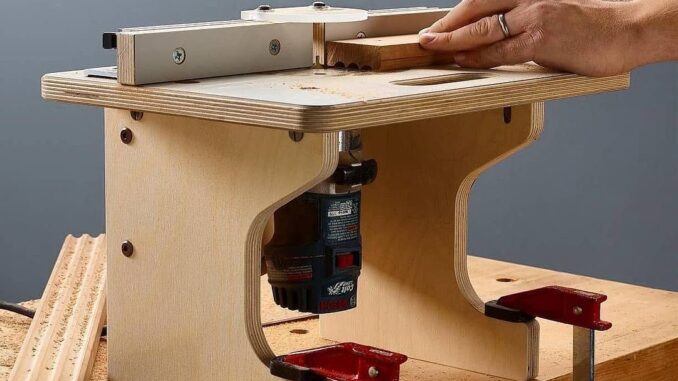
Router tables are another game-changer for many woodworkers, especially beginners. They provide extra stability and ease, enabling you to handle larger pieces of wood with finesse. The support they offer can help you master more complex cuts with confidence.
Techniques to Master the Art of Router Carpentry
The trick to getting those clean, professional-looking cuts is all about technique. Start with a firm grip and steady pressure, allowing the router to guide itself along the wood. Letting the tool do the work is half the battle won.
Creating sharp edges, precise joints, and stunning inlays is where the router really shines. When you’re crafting edges, use an edge guide to steer your cuts along straight lines. For neat joints, a jig can be your best friend, ensuring alignment and accuracy in every piece.
We all make mistakes, but knowing what to look out for can save time and materials. Watch out for chatter marks—those unsightly ridges caused by moving the router too quickly. Patience is key to a flawless finish, so take your time and slow your roll.
Getting creative with your designs means stepping up to templates and guides. These tools allow for consistent and repeatable patterns, which elevate your projects from good to wow! Whether it’s an intricate design or a simple accent, these guides open doors to creative possibilities you never thought possible.
Maintaining Your Router: Ensuring Longevity and Efficiency
Taking care of your router is like caring for a prized possession. Regular maintenance keeps it running smoothly and extends its lifespan. Give it a good cleaning after each use to remove sawdust that could jam the moving parts.
Bits dull over time. Sharpening them keeps your cuts clean and precise, saving you the hassle of redoing work. If a bit becomes too worn, replacing it is a wise move. It’s a small investment for the quality results you’re aiming for.
Every now and then, your router might throw a fit with a jam or uneven cut. Getting familiar with common issues helps in diagnosing issues quickly. Whether it’s a strange sound or a stuck bit, knowing what to do keeps you in control of your workspace.
There might come a time when your router simply isn’t cutting it anymore. Upgrading becomes necessary when you’ve mastered the basics and need a tool that matches your growing skills. When you’re ready for new challenges, a fresh upgrade could elevate your craft to new heights.
Leave a Reply