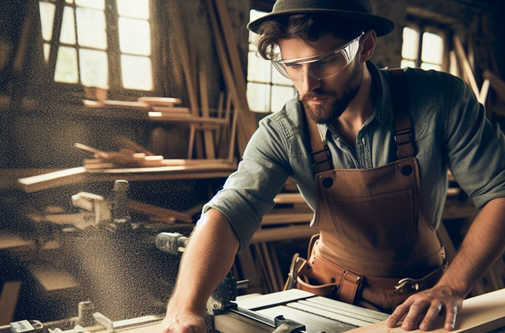
Personal protective equipment, or PPE—sounds fancy, right? But trust me, it’s pure magic when it comes to dodging splinters and sawdust hazards. Having all the gear, like goggles and gloves, is like wearing your superhero suit while woodworking.
Your eyes are precious, so throwing on those safety goggles is wise. They shield you from wood particles because no one likes a wood chip rebound to the face. Gloves? Oh yeah, those are lifesavers, literally. They help you keep a grip on things when the wood gets slippery.
And don’t forget the humble dust mask. Sawdust might look harmless but breathe it in, and suddenly it’s less fun. It’s like your lungs got into a sneezing contest and lost! Get a quality mask to keep things clean and your nose happy.
Proper attire isn’t just about looking cool (though it’s a perk). Loose clothing can get caught in machinery, turning a fun project into a stress sitch real fast. Opt for snug-fitting clothes to keep things safe and stylish.
Thinking about skimping on quality gear? It’s like buying low-grade superpowers—you can do better! Investing in high-quality PPE might pinch a bit now, but it’s pennies compared to hospital bills. Suit up smart and keep crafting safely!
Setting Up a Safe Workspace: Reducing Hazards
Your workspace is your canvas, but it can quickly become chaotic without some organization. Tidy up to keep your workflow smooth and accident-free. A clutter-free zone lets you focus entirely on the project and not on tripping over stray wood pieces.
Ventilation is more than just cracking a window to catch a breeze. Proper airflow helps manage dust and fumes, keeping the air fresh and breathable. Set up a dust collection system if you’re serious. Your lungs will thank you later, and you get a guilt-free moment away from the mask now and then.
Tools are cool, but only when they’re not a tripping hazard. Make it a habit to routinely organize and store them properly. It’s about giving everything its place and knowing it’s secure, which cuts down those awkward tool-searching dance moves.
Creating a designated zone for each tool and task not only speeds up your process but also keeps everything where it should be. This way, your workspace stays clear, and when inspiration hits, you’re all set, not distracted by the chaos.
Safety isn’t just about gear; it’s in the atmosphere too. Keeping your workspace neat is smart, balancing the thrill of crafting with the awesome responsibility of staying safe.
Tool Safety: Handling and Maintenance Tips for Longevity and Safety
Maintaining tools might not be the most glamorous part of woodworking, but it’s definitely one of the most crucial. Regular maintenance not only extends the life of your tools but also ensures you’re working safely. A well-kept tool is a trustworthy tool, simple as that.
Inspecting your tools regularly helps you catch small problems before they turn into costly repairs or, worse, accidents. Look for signs of wear and tear. Are the handles secure? Are the blades sharp? Keeping an eye on these details helps prevent those “oops” moments.
Sharp tools are safe tools. It sounds a little counterintuitive, but it’s true. Dull blades can slip and cause more damage than a sharp one. Make it a habit to sharpen your tools regularly. You’ll find your work not only faster but safer and way more enjoyable.
Cleaning your tools isn’t just about appearance. Dust and debris can mess with functionality, so it’s a smart move to give your tools a good wipe down after each session. A clean tool works better and keeps surprises at bay.
When using power tools, it’s important to remember they aren’t toys. Handle them with respect and always follow the manufacturer’s guidelines. Mistakes happen fast when you get complacent, so stay focused and use each tool as intended to avoid mishaps.
Emergency Preparedness: Knowing How to React to Accidents
Things don’t always go as planned, and when accidents occur, being prepared can make all the difference. Having a comprehensive first aid kit in your workshop is crucial. Stock it with bandages, antiseptic wipes, and more specific items like gauze and burn creams. Customize your kit to cover common woodworking injuries.
Knowing first aid might seem overkill for a hobby, but when you’re working with tools, it’s really a lifesaver. Basic first aid skills can tackle everything from small cuts to something more serious if things go sideways.
Create an emergency action plan. Know where the nearest hospital is located and keep emergency contacts handy. If something happens, quick reflexes and a plan already set make it easier to handle the situation calmly.
Taking a first aid course is a great addition to your safety toolbelt. Many community centers offer courses, and they give you confidence to act swiftly in emergencies. It’s not just about feeling prepared—it’s about ensuring your safety, so you can enjoy crafting without fear.
Leave a Reply