
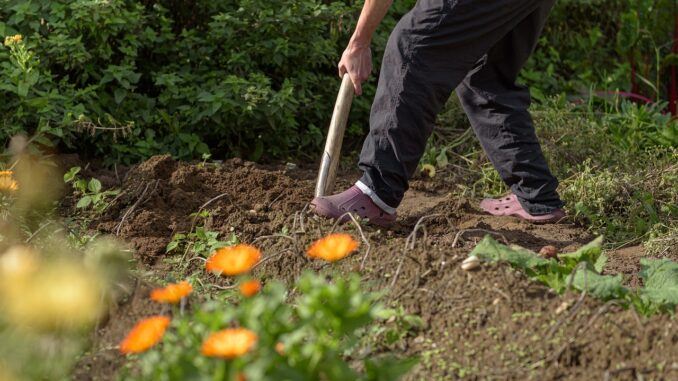
Homesteading isn’t just about living off the land; it’s a lifestyle choice that embraces sustainability, self-reliance, and resourcefulness. It’s about taking control of your resources and processes to create a resilient and fulfilling way of life. Picture a patch of earth that feeds you, the rain you collect for use, and the skills you perfect that make you less dependent on the grid. That’s the essence of homesteading.
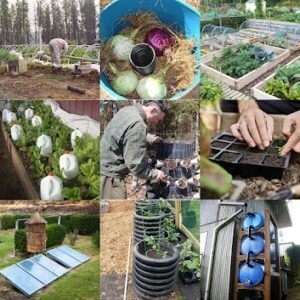
100+ DIY Projects For a Self-Sufficient Backyard
Getting started with homesteading involves more than just farming or building. It requires a mental shift towards a DIY mentality. It’s about finding creative solutions to challenges using the resources you have on hand. Whether it’s learning to mend clothes or building your own furniture, the goal is not just to save money but also to build skills that empower you.
Homesteading also balances age-old practices with modern innovations, bringing together the best of both worlds. While traditional methods like crop rotation and preserving food are vital, innovations like permaculture and renewable energy integration help boost sustainability. Modern homesteading isn’t about rejecting technology but rather using it wisely to enhance self-sufficiency.
For anyone stepping into the homesteading world, focusing on skill-building can be a game-changer. Key skills like gardening, carpentry, basic plumbing, and even some mechanical know-how can be incredibly beneficial. These are the skills that keep a homestead running smoothly, and mastering them brings immense satisfaction and independence. The journey toward self-sufficiency is as much about learning along the way as it is about the skills themselves.
DIY Project Ideas that Enhance Homestead Sustainability
Growing your own food can be both rewarding and practical, but space can often be a challenge. That’s where vertical gardens come in. By utilizing walls, trellises, or even stacked pots, you can maximize limited space and keep your veggies close at hand. They not only save space but can also make your homestead look pretty cool too. Water is life, especially on a homestead. Building your own rainwater harvesting system, like a gutter-fed barrel or a more elaborate rainwater tank, helps in conserving this invaluable resource. It reduces dependence on outside water supplies and ensures your plants and animals never go thirsty.
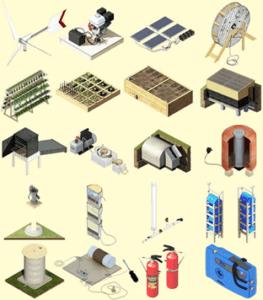
20+ DIY Projects for Off-grid Survival
Turning kitchen scraps and yard waste into compost isn’t just good for the environment—it’s a gardener’s goldmine! Building a DIY compost bin can give you rich soil while cutting down waste. Think reusing pallets or repurposing large plastic containers—the possibilities are as varied as they are practical.
Relying less on external energy sources is key to homesteading, and solar panels can be a game-changer. These aren’t as daunting to install as you might think, and harnessing the sun’s power is good for the planet and your wallet. Innovative setups can range from solar water heaters to fully powering your homestead.
Essential Survival Projects: Equipping Your Homestead for Emergencies
Preparing your homestead for emergencies is a vital part of sustainable living. Building a storm shelter or a safe room offers peace of mind, providing a secure place for your family during severe weather. Whether it’s a modest basement setup or a standalone shelter, having a plan can make all the difference when nature throws its worst.

Keeping warm is crucial, especially during colder months. A DIY rocket stove, which uses small twigs and kindling, can heat efficiently without relying on large amounts of wood. It’s a compact, eco-friendly solution perfect for a backup heat source during power outages.
Preserving food is an age-old technique that ensures your pantry remains stocked even during long winters or emergencies. Canning isn’t just for grandmas—it’s a practical skill to master. Getting a simple canning kit and learning the basics can transform your summer harvest into hearty meals that last.
A first aid station that’s easily accessible and well-stocked is a must for any homestead. Think of it as your personal ER, set up with everyday essentials like bandages, antiseptics, and any necessary medications. It’s all about staying prepared so you can handle minor injuries or health issues without delay.
Creating Community: Sharing Skills and Resources for a Sustainable Future
Building a homestead is a fulfilling journey, but it doesn’t have to be a solitary one. Local barter systems can breathe new life into your community, allowing you to trade goods and services without money changing hands. Whether it’s fresh eggs for homemade soap, these exchanges not only save cash but strengthen the bonds with your neighbors as well.
Hosting or attending workshops is a fantastic way to pick up new skills or hone existing ones. From soap-making to beekeeping, these gatherings are a treasure trove of knowledge. Plus, they offer a chance to network with folks who share your love for homesteading.
A strong community is built on shared experiences and efforts. Whether it’s collective crop planting, shared tools for large projects, or lending a hand in times of need, these cooperative efforts make everyone’s load lighter and the results greater.
Resource libraries, where tools and equipment are shared rather than owned individually, promote eco-friendly living. Why buy when you can borrow? These local “libraries” keep costs down and reduce the need for excess consumption, making them a win-win for everyone involved.
Leave a Reply