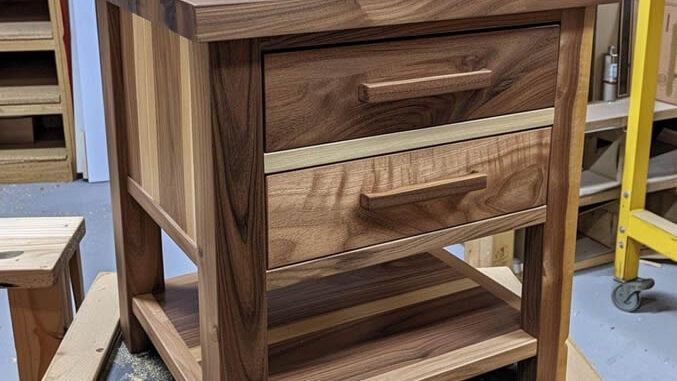
Advanced joinery is where woodworking really gets interesting. Dive into the world of intricate joints, from the classically elegant dovetail to the strong and sturdy mortise-and-tenon. These aren’t just about holding wood together; they’re about showcasing true craftsmanship. Precision is key, and it’s all about the details.
When you’re working with advanced joints, precision and attention to detail make all the difference. Imagine those clean, perfect lines where two pieces of wood meet seamlessly. It’s about patience and a good eye, both of which you can develop with practice. Don’t rush it, because getting the basics right paves the way for stunning results.
Using modern tools like dovetail jigs and routers can save time and improve accuracy. While traditional hand tools are great, bringing in a router or a biscuit joiner can elevate your work and open up a whole new world of possibilities. It’s like adding a new skill set to your toolbox.
For those fascinated by craftsmanship, Japanese joinery techniques provide endless inspiration. Known for their intricacy and beauty, these methods emphasize strength and harmony. Each joint is not just functional but a design element, bringing an artistic touch to your projects. Studying these techniques can add depth and flair to your woodworking, making your creations stand out.
Creating Timeless Pieces: Building Your Own Custom Furniture
When it comes to crafting custom furniture, blending functionality with style is key. It all starts with understanding the core principles of furniture design. The goal? Make a piece that isn’t just a looker but serves a purpose in daily life.
Designing a unique piece of furniture is all about following steps that might seem complex but ultimately aren’t too intimidating once you break them down. Start with sketches or 3D models to nail down visual concepts. The idea is to foresee how your piece fits within a room and how it’ll be used.
Choosing the right wood species is a game-changer. Each type of wood has its own personality—cherry offers a warm, rich tone, while walnut provides elegance and durability. Match your wood choice with the demands of the piece’s use to ensure longevity and style.
Modern technology, like CNC machines, has revolutionized furniture making. These machines can handle complex designs with precision and speed that are tough to achieve by hand. Integrate this technology with traditional techniques, and you’ve got a recipe for furniture that’s both innovative and rooted in craftsmanship.
Transforming Spaces with Advanced Woodworking Projects
Crafting unique home décor can completely transform the vibe of a space. Think about creating standout pieces like intricate mantelpieces or custom wall art. These projects act as focal points, instantly drawing the eye and sparking conversation.
Spaces can be revolutionized with custom cabinetry and clever storage solutions. You don’t need to settle for generic, store-bought versions. Personal design allows you to maximize both space and utility, tailoring each project to fit seamlessly into the room’s dynamics.
When it comes to enhancing architecture, detailed millwork is your best friend. It adds texture and dimension to any space, and well-executed millwork can elevate plain rooms into extraordinary settings. Consider elements like crown moldings, wainscoting, or intricately designed door frames for that instant wow factor.
Berthing woodworking projects into existing home improvements can be a brilliant way to refresh and revitalize your living space. Consider integrating a custom wood banister during a stairway makeover or a hand-carved doorway to add character to an otherwise standard renovation.
Expressive Artistry: The World of Sculptural Woodworking
Sculptural woodworking offers a whole new outlet for creativity, blending art with woodworking skills to create pieces that are truly expressive. Both abstract and representational sculptures can bring a dynamic element to interior spaces or standalone beauty for outdoor displays.
Achieving intricate detail in these sculptures involves mastering fine carving techniques. Unlike furniture or joinery, which sometimes require precision in different ways, sculptural work allows for more freedom but demands a steady hand and an imaginative mind.
Finding the right balance between artistic expression and structural integrity is crucial. Sculptures need to be crafted in a way that they don’t just look good but also maintain their form over time. This means thinking about how weight is distributed, and how pieces connect or support each other.
For a bit of inspiration, look into the works of famous modern wood sculptors. Artists like David Nash or Ursula von Rydingsvard push the boundaries of what’s possible, often breaking traditional rules to explore new techniques or ideas. Studying their methods can ignite new ideas for your projects, helping you carve out your own niche in the world of wood sculpture.
Leave a Reply