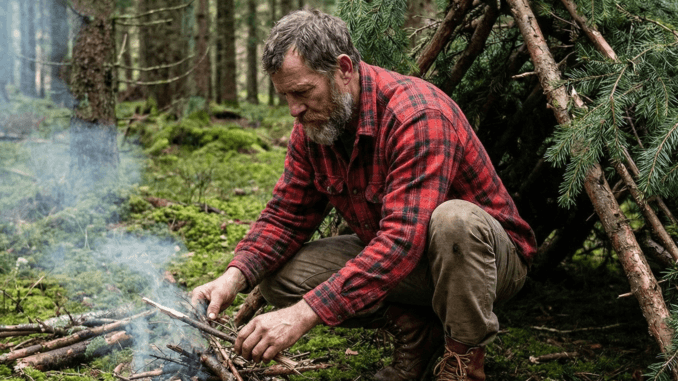
When you find yourself out in the wilderness with just the basics, knowing what survival skills to rely on can make all the difference. It’s more than just staying alive—it’s about understanding how to make the most of what you got. Let’s start by defining what these skills actually are and why they’re important. Simply put, survival skills are the techniques and know-how that help you manage life-and-death situations casually. From finding shelter to securing food and water, these skills are all about endurance and adaptability.
20+ DIY Projects for Off-grid Survival
Ever wondered what you should always have on hand when hiking or camping? Essential gear is your best friend. Think about things like a reliable knife, some kind of fire starter, a water purification method, and a first aid kit. Familiarize yourself with each tool’s purpose and practice using them before you actually need them. The gear isn’t just about providing extra comfort—each item plays a critical role in ensuring you thrive when challenges come up.
The rule of 3s is a handy guideline to help prioritize your actions when resources are tight. Humans can live three minutes without air, three hours without adequate shelter from severe weather, three days without water, and three weeks without food. Sounds intense, right? By understanding this, you’ll know which needs to address first in different scenarios. Breathing, shelter, water, then food—that’s the order of business.
Your mindset is a powerful tool when brainstorming survival tactics. Panic can be as dangerous as any wild animal or harsh weather, so keeping your cool is essential. Practice mental resilience by staying positive and thinking through your options step by step. Remember, panic clouds judgment, but a calm mind opens the way to solutions. Training your mind to remain focused and composed under pressure is just as valuable as learning how to build a fire or find safe water.
Shelter: Your First Line of Defense Against the Elements
Surviving outdoors starts with securing shelter. You may not realize it, but it offers essential protection from the elements. Whether it’s the biting cold, fierce rain, or scorching heat, a good shelter helps regulate body temperature and shields you from the worst of nature’s wrath.
>>>Check out eBay Outdoor Survival Gear<<<
There are various types of shelters, and choosing the right one depends on your environment. From a simple debris hut made of leaves and sticks to an A-frame planked with tree branches, knowing what style suits your surroundings is key. In snowy conditions, consider an igloo or a quinzee, while tropical areas might call for a raised platform—you know, to avoid creepy crawlies.
Building a shelter isn’t just slapping sticks together. You need specific materials and techniques to ensure it stands up to the elements. Focus on a solid structure with good insulation. Using natural materials, like leaves or pine needles, can provide surprising warmth. Remember the motto: keep it simple, but do it smart.
When it comes to staying warm, fire isn’t just for roasting marshmallows at camp. It’s what makes a shelter cozy and habitable. Mastering fire basics goes hand in hand with good shelter building. Dry materials, a good site, and an understanding of wind directions matter. After all, nothing beats the glow of a warm fire when you’re far from civilization.
While creating your shelter, avoid some common pitfalls like building too close to water sources which can flood, or under dead trees that might call it a day and crash down. Assess your surroundings. Look up, around, and below to make sure you’re safe. Your shelter is temporary housing, not an accident waiting to happen.
Finding Safe Food and Water in the Wild
In survival situations, finding water is usually the top priority after securing shelter. Without it, health declines fast. Look for clear streams or natural springs which are often safer sources. But hold up—don’t just gulp it down. Water pollution is a real threat. Always purify, using methods like boiling, filtering or chemical tablets to avoid nasty illnesses.
>>>Water Filtration<<<
Spotting edible plants can seem like a jungle of unknowns. It’s handy to learn about local flora. Focus on easy-to-identify plants, and remember the universal edibility test if you’re unsure. Start by touching the plant to your skin, progress to your lips, and wait for any reaction. It’s all about cautious curiosity to avoid an upset stomach or worse.
Don’t overlook the humble insect or small critter. While the thought of munching on bugs might seem unappetizing, they’re an excellent source of protein. Grasshoppers, ants, and grubs are often plentiful. They’re typically safe once cooked. It’s a solution for keeping energy levels up when you’re challenged with finding large game.
Speaking of animals, hunting and trapping small game like rabbits or fish can provide much-needed nutrition. Craft simple snares from the resources around you or use fishing lines and hooks if you have them. Focus on streams where fish often gather. It’s a balance—learning these skills in advance could be your dinner ticket when you’re in a tight spot.
First Aid and Safety: Staying Healthy in the Wild
Staying safe and healthy outdoors is essential to enjoying your adventure instead of getting derailed by unexpected hiccups. A compact first aid kit should be part of your essentials. Remember to pack bandages, antiseptic wipes, tweezers, and pain relievers. These basics can be lifesavers.
Getting the hang of basic first aid skills is also crucial. Know how to treat wounds, sprains, and deal with extreme weather conditions like hypothermia and heat stroke. Recognizing symptoms early can prevent small problems from escalating. It’s not just about knowing what to do but also when and how to act effectively.
Navigating without modern gadgets might sound old-school but can be a real game-changer. Learn to use natural guides like the position of the sun or stars. Landmarks, whether it’s a unique tree or a rock formation, can serve as guides back to safety. This kind of navigation sharpens your awareness and keeps you grounded in your surroundings.
When things really get tough, signaling for help might be your best option. Use a signal mirror, whistle, or create smoke to attract attention. Bright clothing or creating ground messages with rocks or logs can improve your chances of being spotted by rescuers. Never underestimate the importance of being visible in an emergency.
Leave a Reply