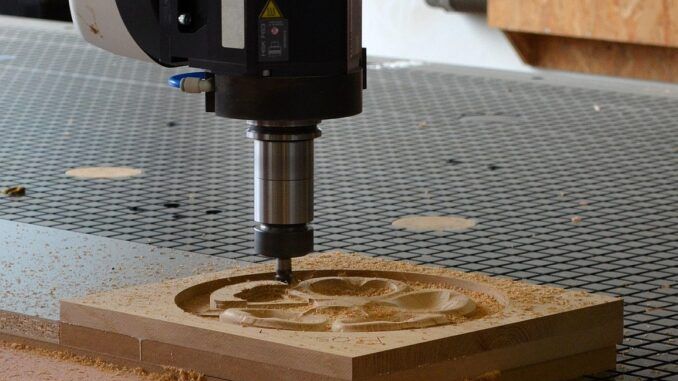
Smart saws are revolutionizing DIY projects with their tech-savvy features that elevate precision and safety. But what exactly earns a saw the “smart” label? Generally, it boils down to the integration of technology like automated controls, sensors, and sometimes connectivity to devices, which altogether make tasks easier and more accurate.
The journey of smart saws is pretty fascinating, starting as basic power saws and evolving into sophisticated tools filled with intelligent features. Over the years, enhancements in technology have made them more accessible to hobbyists and professionals alike, putting high-tech innovations within reach of anyone willing to explore the DIY route.
So, why would you want to build one from scratch? A few reasons might get you intrigued – a personalized tool tailored to your exact needs, potential cost savings, and the sheer satisfaction of creating something with your own hands. Building your own smart saw not only boosts your tech prowess but also empowers you with a custom solution that fits your unique projects.
Materials and Tools Needed: Essential Components for Construction
Building a smart saw from scratch calls for a solid game plan, starting with gathering the right materials. Get comfortable with the core components you’ll need, like a robust processor to handle all the digital tasks, sensors to keep the saw smart and responsive, and a reliable power supply to keep things running smoothly.
Sourcing these parts might seem like a daunting task, but it’s often easier than one might assume. Online marketplaces are treasure troves for tech enthusiasts, offering a wide array of specialized components. Don’t overlook your local hardware stores, though—they can be gold mines, especially for more common items. Just keep an eye out for quality and trusted brands to feel confident in what you’re building.
Budgeting is another crucial part of the process, and I’m here to tell you that it’s all about balancing cost with the quality of parts. A DIY project of this scale often comes with a spectrum of prices. You don’t have to break the bank, but remember that investing in higher-quality components often pays off in the long run with better durability and performance. Consider setting a budget upfront to help guide your purchasing decisions, ensuring you stay within your means while achieving the results you want.
Step-by-Step Construction: Assembling Your DIY Smart Saw
Starting with a solid plan is half the battle won. Sketching out a design for your saw will lay the groundwork for a smoother assembly process. Think of it as your roadmap, guiding you through each step with precision.
Once you’ve got your blueprint, it’s time to roll up your sleeves and dive into the assembly. Begin by piecing together the main framework—consider this the backbone of your project. From there, carefully incorporate the processor, making sure it securely controls and processes the saw’s functionalities.
Installing sensors is the next crucial step, and precision here is key. These little gadgets ensure that your smart saw earns its name by detecting and adapting to each cut seamlessly. Take your time and make sure each component is well-aligned and connected properly.
Mistakes happen, especially in DIY projects, but recognizing common pitfalls can help sidestep major headaches. Double-check connections and test each component during assembly to catch issues early. A little patience goes a long way in avoiding setbacks.
And, of course, safety first. Always follow safety practices when working on your construction. Wear protective gear and ensure your working environment is organized and tidy to prevent accidents. These precautions make the process not only safer but also more enjoyable.
Final Touches and Testing: Optimizing and Fine-Tuning Your Smart Saw
With the assembly complete, it’s time to shift focus to calibration and adjustments. This process is all about ensuring that your smart saw cuts with precision and accuracy. Tweak the settings, adjust any out-of-place components, and test the motion to make sure everything aligns perfectly with your expectations.
Getting down to testing the smart functionalities is essential. This means ensuring all the tech integrations work harmoniously. Run a few trial cuts to verify the sensors are accurately responding to the materials and conditions. Don’t worry if it takes a few tries to get everything just right—this is a crucial step in verifying the reliability of your creation.
Maintaining the saw is just as important as building it. Regular maintenance tips, like cleaning the blade, checking connections, and ensuring the sensors are functioning properly, keep your saw operating smoothly. These small efforts can significantly extend the life of your tool.
Thinking ahead about potential upgrades can also help future-proof your saw. Technological advancements happen fast, and being prepared to integrate new features or replace components ensures your smart saw remains cutting-edge. It’s all about keeping your project adaptable, letting you embrace new challenges seamlessly as they arise.
Leave a Reply