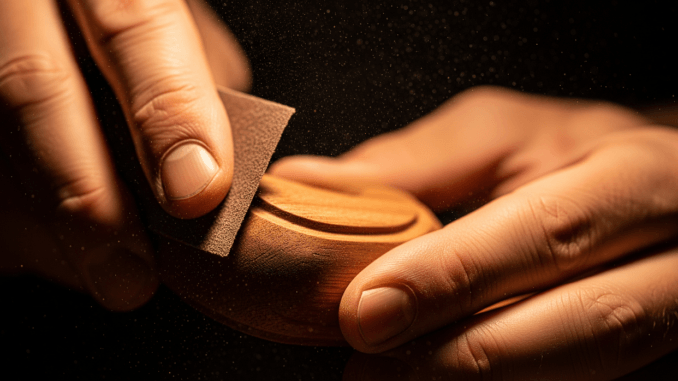
Sanding is the unsung hero of many a project. It’s all about prepping surfaces by smoothing out imperfections, eliminating rough patches, and setting the stage for a flawless finish. Whether you’re a DIY enthusiast or a seasoned pro, getting the hang of sanding is a game-changer for your projects.
Sandpaper may all look the same at a glance, but there’s a ton of variety once you dig in. You’ve got everything from coarse to ultra-fine grits, each serving a unique purpose in the sanding process. Coarser grits, like 60 or 80, are your go-to for heavy-duty jobs, while finer grits, like 220 or 320, work wonders for smoothing finishes.
Now, let’s talk about grit size. It’s all about those little abrasive particles on the sandpaper. Lower numbers mean bigger, rougher particles for aggressive removal, while higher numbers mean finer particles for polishing and finishing touches. Picking the right grit size can make or break your project. The aim is to start with a coarser grit and work your way up to a finer one, making your surface silky smooth.
Choosing the Right Tools for a Smooth Finish
The right tool can take your sanding game from zero to hero. Let’s break it down between hand sanding and power sanding. Hand sanding gives you control and precision, making it great for small, intricate jobs or when working with delicate surfaces. On the other hand, power sanding is your best buddy for tackling large areas quickly. It’s a time-saver, for sure.
Picking the right sandpaper might seem small, but it matters big time. The paper’s grit should match the task at hand. For instance, a medium grit like 120 is fantastic for prepping woodwork, while finer grits like 180 to 220 are ideal for intermediate sanding or between coats. Keeping a variety of grits on hand can be super helpful.
Ever struggled with uneven sanding? Say hello to sanding blocks and abrasive sponges. Sanding blocks keep things nice and flat, which is perfect for even contact with the surface and more uniform results. Abrasive sponges can flex a bit, making them great for getting in curves and corners.
Ensuring you have the right tools for the job means your final finish not only looks good but can stand the test of time. Whether you’re going manual or electric, the right gear makes it smoother—literally!
Mastering the Sanding Techniques for Perfect Results
Sanding may seem pretty straightforward, but perfecting your technique can seriously up your game. Sanding with the grain is a must. It prevents scratches and gouges that can mess with your final look. Especially with wood, following the grain ensures a nicer, more professional appearance.
Consistent pressure is your friend in sanding. Too much pressure can create uneven surfaces, while too little might not smooth things out effectively. Let the tool or sandpaper do the work without forcing it. A light, even hand is your best bet for a finish that’s just right.
Common mistakes often come down to overlooking the basics. One pitfall is staying in one spot too long—this can lead to dips or irregular areas. Keep it moving and let the whole surface get the attention it needs. Checking your progress regularly also helps avoid over-sanding.
These simple but effective techniques make a huge difference. They ensure you’re not just smoothing surfaces but doing it efficiently and thoughtfully. Before you know it, your projects will have that flawless finish you’ve been aiming for.
Achieving the Ultimate Finish: Tips, Tricks, and Aftercare
The secret to a top-notch finish starts before you even begin sanding. Cleaning and preparing surfaces can’t be skipped. Dust, grease, and dirt can mess with your sanding, leading to a finish that’s less than perfect. A good wipe-down with a clean, damp cloth is often enough to prep your surface.
Final sanding and buffing is where the magic happens. This stage is all about using finer grits for that super smooth texture. Feel your surface as you go; you’re aiming for a seamless touch that feels just right. Whether you’re working with wood, metal, or any other material, attention to detail at this stage is key.
Sealing and polishing give your work its long-lasting shine. A good sealant not only enhances the look but also protects your hard work. Apply it evenly, letting it settle in all the right ways. Polishing, on the other hand, gives your project a touch of elegance and sophistication that’s hard to beat.
With these aftercare tips, your projects will not only look fantastic but also stand up well over time. The effort put into achieving a smooth finish pays off, leaving you with results that speak for themselves.
Leave a Reply