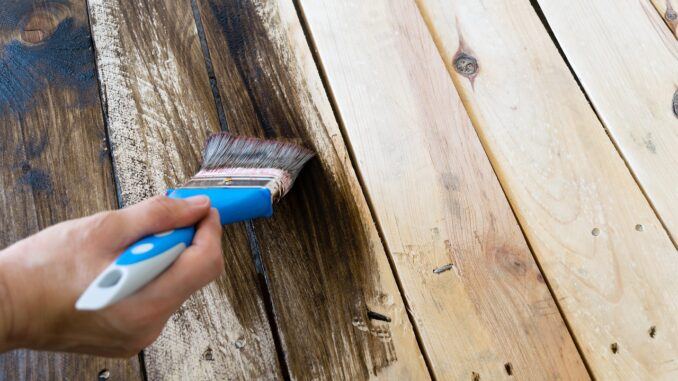
Different woods soak up stains in their own way, kinda like how people have their favorite drink at the coffee shop. Oak, with its strong and open grain, grabs onto stain easily, showing off rich, deep colors. Pine, on the other hand, can be a bit tricky, sometimes leading to blotches if you’re not careful. Cherry and mahogany lean towards darker tones naturally, ideal for showing off their fine grains.
Before you start slapping stain on your new project, it pays to know exactly what kind of wood you’re working with. If you’re scratching your head at wood varieties, don’t fret — sometimes a little research or a quick chat with a hardware expert can clear things up. Matching your stain to the type of wood is like picking the right pair of shoes to complete an outfit.
The grain and porosity of wood are like secret codes to how well they’ll absorb the stain. You’ll often hear about the importance of this when chatting with long-time woodworkers. For instance, with open-grain woods like oak, you might need fewer coats for vibrant color, whereas, on something finer like maple, a few layers may bring out its best.
Always do a test run if you’re experimenting with that new wood variety. A small, unseen patch will let you see how the stain color truly dries. This small step can save a load of trouble, ensuring your finish turns out just like you envisioned.
The Art & Science of Stains: Picking the Perfect Shade and Finish
Choosing the right stain is kind of like picking the right paint color for your walls. You’ve got tons of options, like oil-based, water-based, or even gel stains, each serving up its own perks. Oil-based stains are smooth to apply and penetrate deeply, giving your wood a rich, long-lasting color. Water-based stains dry faster and are low on fumes, perfect for indoors. Gel stains work wonders on vertical surfaces due to their thick consistency.
When it comes to the shade, picture what you want your wood to say. Light stains can keep things bright and airy, letting the wood’s character shine through. Dark stains add a touch of drama and elegance, sometimes even making cheaper wood types look like high-end material. Check out samples in different lights before committing—what looks good in daylight might be overwhelming under indoor lighting.
The finish is the final frontier. Whether you lean towards the natural look of matte or the sleek vibe of gloss, there’s a finish for every style. Satin stands somewhere in between and is a favorite for its understated shine while being easy on the maintenance.
Remember, your environment plays a big role. A stain that looks stunning in one space could seem washed out in another. Consider where you’ll place the piece and how often it catches the light. Taking these factors into account ensures your wood achieves the look you’ve been dreaming of.
Application Techniques: Masterful Staining for a Professional Finish
Getting a professional-looking finish is about finesse, not force. Start by prepping your wood like a good chef preps their ingredients. Sand your wood smoothly, working from coarse to fine grit, and always in the direction of the grain. A quick cleanup with a tack cloth removes dust and avoids pesky lint getting into the mix.
Got your tools ready? Brushes, cloths, or sprayers each have their vibe. Brushes are your go-to for precision on smaller pieces or detailed areas. Cloths work best for wiping on stains evenly and can help you get a feel for how much you’re applying. Sprayers get the job done in less time and cover large surfaces evenly, but they need a steady hand.
Staining can go awry, but knowing what to watch for helps. Blotching and uneven color are usually the biggest culprits. Keep your strokes even, work from one end of the wood to the other, and don’t let the stain sit too long before wiping off the excess. It’s all about finding that rhythm.
Easy does it with layers. Light, even coats will build a gorgeous finish, so don’t rush it. Let each coat dry fully before considering another layer—patience really is a virtue here. Finally, if things go a bit south, like drips or missed spots, a light sand and touch-up can usually save the day.
Protection & Maintenance: Ensuring Long-lasting Beauty of Your Stained Wood
After sweating over that perfect stain job, sealing it right seals the deal. A good protective finish not only enhances your masterpiece’s look but also guards against the wear and tear of daily life. Polyurethane and varnish are top picks, forming a shield of sorts against moisture and scratches.
Choosing between finishes depends on how rugged the use will be. Indoor pieces might get by with a basic sealer, but outdoor furniture definitely needs something heavier duty, like a marine finish.
Regular upkeep doesn’t have to be a chore. Dusting with a soft cloth keeps particles from scratching the surface. Avoid cleaning products with harsh chemicals which might strip away the stain’s protective layer. Think of it as how you’d take care of a vintage car—delicate and with care.
Sometimes, despite the best efforts, stuff happens. A scratch here, a nick there. Don’t sweat it; small repairs are no big deal. A light sand on the area and a touch-up with the same stain usually does the trick, keeping your wood looking fresh. Long-term love and a little elbow grease ensure your project stays a standout piece for years to come.
Leave a Reply