
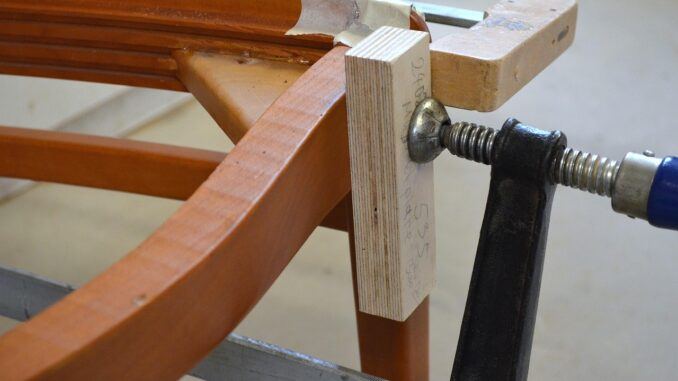
Woodworking clamps might just be the unsung heroes of any workshop. These handy tools hold your workpieces steady, ensuring that each cut, glue-up, and assembly goes smoothly without a hitch. It’s all about precision and safety, two things that every woodworker values highly.
>>>Shop Woodworking Clamps<<<
The practicality of clamps in woodworking can’t be overstated. Whether you’re trying to attach pieces securely during gluing or need a steady hand in cutting intricate joint patterns, clamps provide that extra grip. This way, you’re free to focus on the workmanship without worrying about slips or mishaps.
Clamps have fascinating roots tracing back centuries. They’ve evolved from simple wooden screws to sophisticated designs featuring various materials and mechanisms. Understanding this evolution sheds light on why certain clamps are suited for different tasks and materials.
Materials used in clamps could range from steel, iron, to durable plastics. Each material offers its own levels of durability and holding power. Knowing the right materials for your project can set the stage for success and ensure the clamps you choose can handle the pressures you apply.
Exploring the Varieties: A Comprehensive Guide to Different Types of Woodworking Clamps
When you step into the world of woodworking, the dizzying variety of clamps available can be daunting. But no worries—knowing what each type can do makes all the difference in tackling a project confidently.
Basic clamps, like bar clamps, pipe clamps, and trusty C-clamps, form the backbone of any toolkit. These workhorses cover a broad spectrum of tasks, giving you versatility right off the bat. Bar clamps, for example, offer superb range and stability making them ideal for everything from cabinet work to furniture making.
Specialized clamps, though, shine when the ordinary ones might fall short. Corner clamps handle mitered edges with finesse, while F-clamps provide a firmer hold with a quicker setup time. Pipe clamps can stretch to embrace larger workpieces, making them invaluable for big assemblies like tables or desks.
Getting the right clamp isn’t just about having the biggest and strongest—you’ll want to weigh traditional designs against modern innovations. Modern clamps often integrate advanced materials and ergonomic designs that save both time and effort.
Choosing doesn’t stop at knowing types. It’s about matching the right clamp to each unique task. You’ll find that certain projects call for lightweight clamps for delicate joins, while others may require heavy-duty options to securely hold denser materials in place.
The Science Behind the Grip: How to Choose the Right Clamp for Your Woodworking Needs
Selecting the perfect clamp is more than guesswork—it’s a balance of size, strength, and durability to meet the demands of your project. Understanding how these factors play into your choice can help you wield your tools more effectively and achieve the results you crave.
It’s easy to fall for common misconceptions about clamps, such as the idea that bigger always means better. The real trick is to match the clamp size to your materials and project requirements. Over-clamping can damage workpieces, so staying within the safe limits of your material is crucial.
Positioning your clamp correctly doesn’t just affect the hold—it’s a game changer. Ensuring even pressure prevents warping and slipping. By anchoring your work properly, you let the clamp do its thing without putting your project at risk.
Keeping your clamps in top condition is a game of discipline. Regular maintenance involves cleaning and lubricating moving parts, which keeps them functioning smoothly. Proper storage—keeping clamps dry and away from corrosive environments—prolongs their lifespan, saving you money and headaches down the road.
The Expert’s Toolbox: Tips and Tricks for Making the Most Out of Your Woodworking Clamps
Getting the most out of your clamps means mastering a few tricks of the trade. Implementing advanced techniques can transform your approach to complex projects, enhancing both accuracy and efficiency.
Consider integrating efficient clamp setups into your workflow. By setting up your clamps beforehand, you streamline the process, saving time and ensuring a precise fit during assembly, which is key in professional-grade woodworking.
Clamps can also be powerful tools for teamwork in the workshop. A strategically placed clamp holds components steady, allowing more hands-free collaboration and reducing the chance of errors during joint projects.
Lean on the wisdom of seasoned woodworkers who have a treasure trove of practical tips gathered from years of experience. Many craftsmen suggest keeping adhesive strips handy to prevent wood fibers from getting marred, while others advocate for custom jigs to complement existing clamp setups for specific tasks.
Leave a Reply